
Searching for Europe food delivery options can feel overwhelming. There are so many platforms, apps, and local services competing for attention in every city and town.
For travelers, expats, and even locals, figuring out where to order a meal—whether it’s a hearty dinner or a specialty snack—can take some patience. Sometimes, new arrivals may wonder if they've missed hidden gems or the most convenient options. It's a common scenario.
This article is for anyone living in or visiting Europe who wonders about their local on-demand meal options. It’s also helpful for those who want to compare traditional restaurant delivery with app-based services—without relying only on what’s trending or sponsored.
The benefit? A clearer view of which meal services best fit different needs and lifestyles—without the distraction of endless scrolling or confusing menus.
Readers might discover a new favorite spot, or at least walk away with a more informed approach to finding food delivery in Europe.
Understanding Europe’s Evolving Food Delivery Landscape
The European food delivery market has grown remarkably over the last decade. It didn’t always look like this.
Not too long ago, most people were limited to phoning local restaurants or perhaps using faxed menus.
Now, a whole digital ecosystem supplies everything from fresh-cooked dinners to snacks, groceries, and specialty cuisines.
Major cities might even feel like they’re always just a tap away from a meal, although smaller towns and rural areas still experience more limited options. An interesting point is how each region tends to support different platforms:
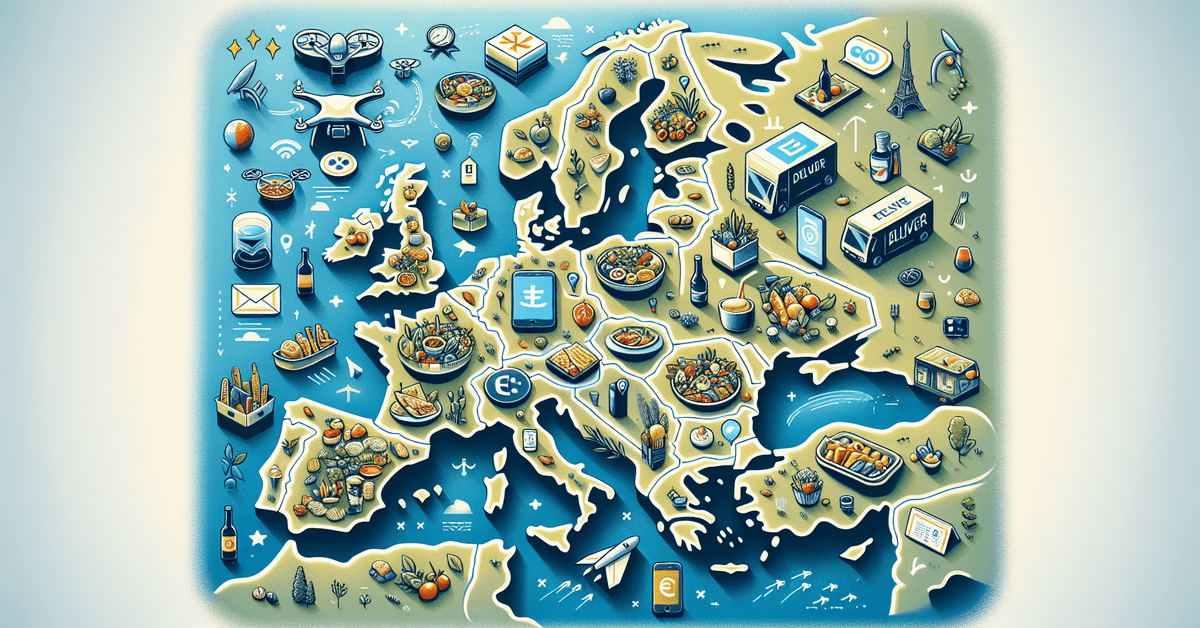
- Western Europe: Extensive use of big-name apps and platforms
- Eastern Europe: A mix of local startups and international brands
- Northern Europe: Strong regional champions, sometimes with an eco-friendly twist
- Southern Europe: Local restaurant delivery services still play a large role
Perhaps it’s precisely this diversity that makes food delivery so fascinating across Europe. Different countries, even neighborhoods, maintain their own traditions and favorites. The choice can seem endless.
Popular Food Delivery Platforms in Europe
There are thousands of options, but several platforms have achieved broad visibility. Some operate internationally, others focus on specific markets. Here’s a brief overview:
Just Eat Takeaway
Serving major cities with a blend of local and chain restaurants, Just Eat Takeaway is well established in the UK, Germany, the Netherlands, and beyond.
Its user interface is quite straightforward—filters for cuisine, dietary needs, and delivery speed. Sometimes, customers report better access to local-only restaurants compared to more globally focused platforms.
Deliveroo
Especially strong in the UK, Ireland, France, and parts of Southern Europe. Deliveroo is recognized for its wide selection, fast delivery, and partnerships with both brand-name chains and smaller bistros.
Rider tracking and exclusive offers tend to keep the app attractive. Yet coverage still varies, with gaps in more remote areas.
Uber Eats
This globally recognized platform is available in nearly every European metropolis and many mid-sized cities.
One advantage is the familiar interface for travelers or expats; you know what you're getting, more or less. Some appreciate the integration of grocery delivery and even convenience items on the same app.
Glovo
Originating in Spain, Glovo expanded especially quickly throughout Southern and Eastern Europe.
What sets Glovo apart is its willingness to deliver nearly anything—food, groceries, pharmacy goods, and personal items.
In cities from Barcelona to Bucharest, Glovo often fills local gaps that larger international brands miss.
Wolt
Strong in the Nordic region—Finland, Sweden, and Denmark—Wolt stands out for its visually polished interface and customer support.
They often highlight sustainable delivery practices and partner with independent eateries. Wolt’s ratings-driven approach appeals to those who want clear feedback before deciding.
Many smaller platforms also operate locally. For example, Bolt Food in the Baltics and parts of Eastern Europe, Lieferando in Germany and Austria, or LaFourchette (also known as TheFork) in France and Spain.
Each has nuances, with some specializing in pre-order dining and others focused on immediate delivery.
How to Find the Best Local Meal Delivery Options
It’s a good question: what makes a meal delivery service the “best” for any given individual? The answer will depend on convenience, variety, reliability, and personal taste. Sometimes, personal experience with a service makes all the difference.
Check Coverage by Postal Code
Platforms usually ask for a postal code or current location to confirm coverage. In dense city centers, several apps might compete for attention.
But in outlying suburbs or small towns, choices may shrink. It’s a step that can save considerable time: filtering out apps before installation.
Explore Local Forums and Community Groups
Often overlooked, local expat forums, neighborhood groups, or city-specific subreddits can surface delivery options that don’t rank highly on app store searches.
Reports about small restaurant-owned delivery services or regional cooperatives might not make headlines, but these can provide greater variety—or better value.
Assess Menus and Delivery Fees Upfront
It might seem tempting to scroll and decide spontaneously, but looking through menus ahead of time helps clarify what’s available nearby.
Some apps charge a flat fee; others add service charges or surge pricing. Looking for minimum order requirements can also make a significant difference in overall cost.
Evaluate Payment and Language Options
European food delivery generally supports credit/debit cards, Google Pay, Apple Pay, or even cash in some regions.
International travelers should note if an app supports their chosen language and local currency. That can occasionally be a surprise (or a frustration) in bordering countries where a favorite platform isn’t yet fully localized.
Key Features to Look for in European Food Delivery Services
Users have grown more selective about the services they rely on for meals. Here are some important features to consider, maybe not all at once but gradually as you explore:
- Real-time Order Tracking: Having visibility into preparation and delivery stages can make the wait easier.
- Menu Customization: Options to adjust portions, swap sides, or indicate allergies are especially valued by diners with specific needs.
- Delivery Window Accuracy: Honest, accurate delivery timeframes reduce frustration—unsurprisingly, services with better punctuality see higher user retention.
- Loyalty Programs: Some apps now reward frequent orders with discounts or perks, which might influence long-term preferences.
Today’s top meal services often combine these with mobile notifications, seamless customer service, and responsive in-app support.
As each app competes for loyalty, the push for convenience often leads to more frequent updates and new features—sometimes it’s hard to keep up!
Local vs. Global Platforms: What’s the Difference?
Many Europeans and long-term visitors will eventually encounter both well-known multinational brands and hyperlocal services. Each has pros and cons.
Global Brands Offer Familiarity and Choice
Platforms like Uber Eats and Just Eat Takeaway are built for scale. They offer standardized features, robust payment security, and wide coverage in major cities. For fast, reliable delivery and support, these can feel reassuring—especially for newcomers.
Local Services Offer Niche Options and Personal Touch
In contrast, local services sometimes provide cuisines or daily specials that bigger apps might not carry. They may also offer direct communication with restaurant owners or chefs, which can result in more responsive service or customization.
Occasionally, smaller platforms make a priority of eco-friendly delivery or ethical sourcing, reflecting community values.
Regional Variations in Food Delivery in Europe
Every corner of Europe has evolved unique delivery habits. In Italy and Spain, traditional restaurant-run services coexist with national apps.
In the Nordics, eco-friendly bicycle delivery has advanced rapidly. Central and Eastern Europe often mix startup apps with legacy restaurant phone lines.
Sometimes, the “best” or most popular platform is simply the one that’s most compatible with local tastes and infrastructure.
For visitors, this can create unexpected opportunities to sample local food traditions—or occasionally, a bit of confusion when favorite chains aren’t available.
Safety, Hygiene, and Delivery Standards
In recent years, especially during health crises, food delivery platforms have doubled down on hygiene and safety standards.
Many now emphasize contactless delivery and rigorous packaging protocols. Transparent reviews and hygiene ratings empower customers to make informed decisions.
Unlike some regions, European laws tend to require strict traceability and compliance from both restaurants and platforms.
However, experiences may still vary—sometimes, it’s helpful to read recent reviews or watch for health certifications within app menus.
Maximizing Value and Discovering New Favorites
Delivery costs can add up, but several strategies help offset them. Choosing off-peak hours, searching for introductory offers, or participating in loyalty programs can provide significant savings.
Some users report that experimenting across a few platforms exposes them to new flavors and smaller independent kitchens.
Meals may occasionally come with surprises: new takes on traditional dishes, regional specialties, or home-cooked-style orders.
A curious approach can transform food delivery from routine to discovery—perhaps that's the real advantage of Europe's diverse meal marketplace.
Legal Considerations and Consumer Protections in Europe
Europe maintains consumer-friendly policies for online sales and deliveries. Customers generally have the right to clear pricing, accurate labeling, and reasonable complaint processes. Payment protections under EU law cover nearly all major apps and platforms.
Those interested in the business side—restaurant partners or gig workers—should be aware that labor laws, licensing requirements, and source transparency can vary significantly between countries and even cities.
Keeping up with these regulations can sometimes be a challenge; reputable platforms will share compliance information on their websites.
Tips for Choosing Food Delivery Services in Europe
- Check coverage in your area
- Compare delivery fees and menus
- Use multiple apps if needed
- Read customer reviews
- Look for discounts and offers
Conclusion
Food delivery services in Europe offer a wide range of options tailored to different preferences and locations. Understanding how platforms vary by region helps you choose the most suitable service.
Comparing features such as pricing, delivery speed, and restaurant selection improves your overall experience.
Exploring both global and local apps can lead to better value and more diverse food choices. Overall, a thoughtful approach helps you enjoy convenient and reliable meal delivery across Europe.